Ponding
Silicone Coating Over Ponding Water
Low spots near drains and along valleys hold water for days after rain. Silicone tolerates that standing water, but the drains themselves are still cleared and any sagging deck is repaired first.

As a Hammond silicone roof coating contractor, we spray silicone over low-slope metal and membrane roofs that hold water, after the seams and drains are fixed.
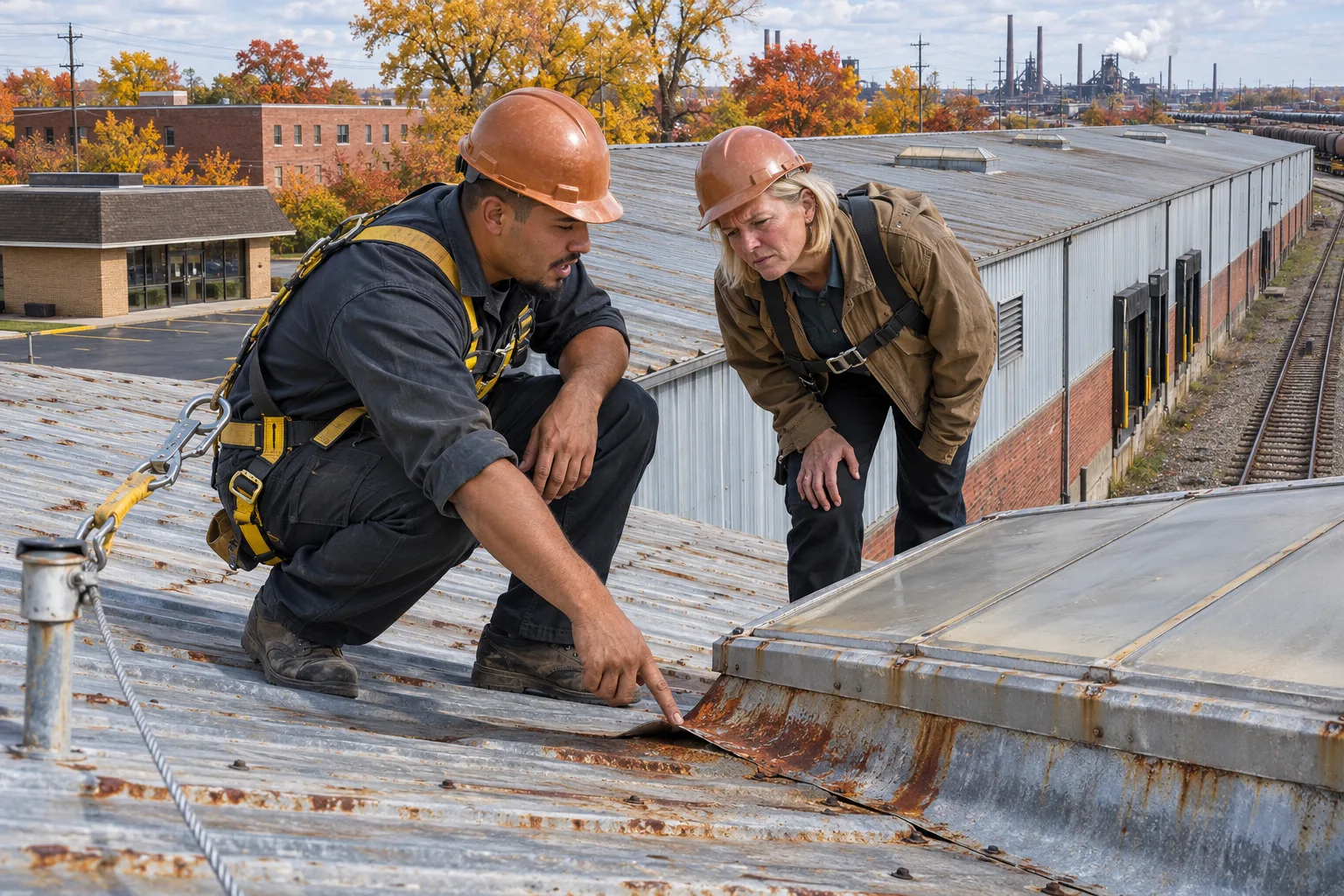
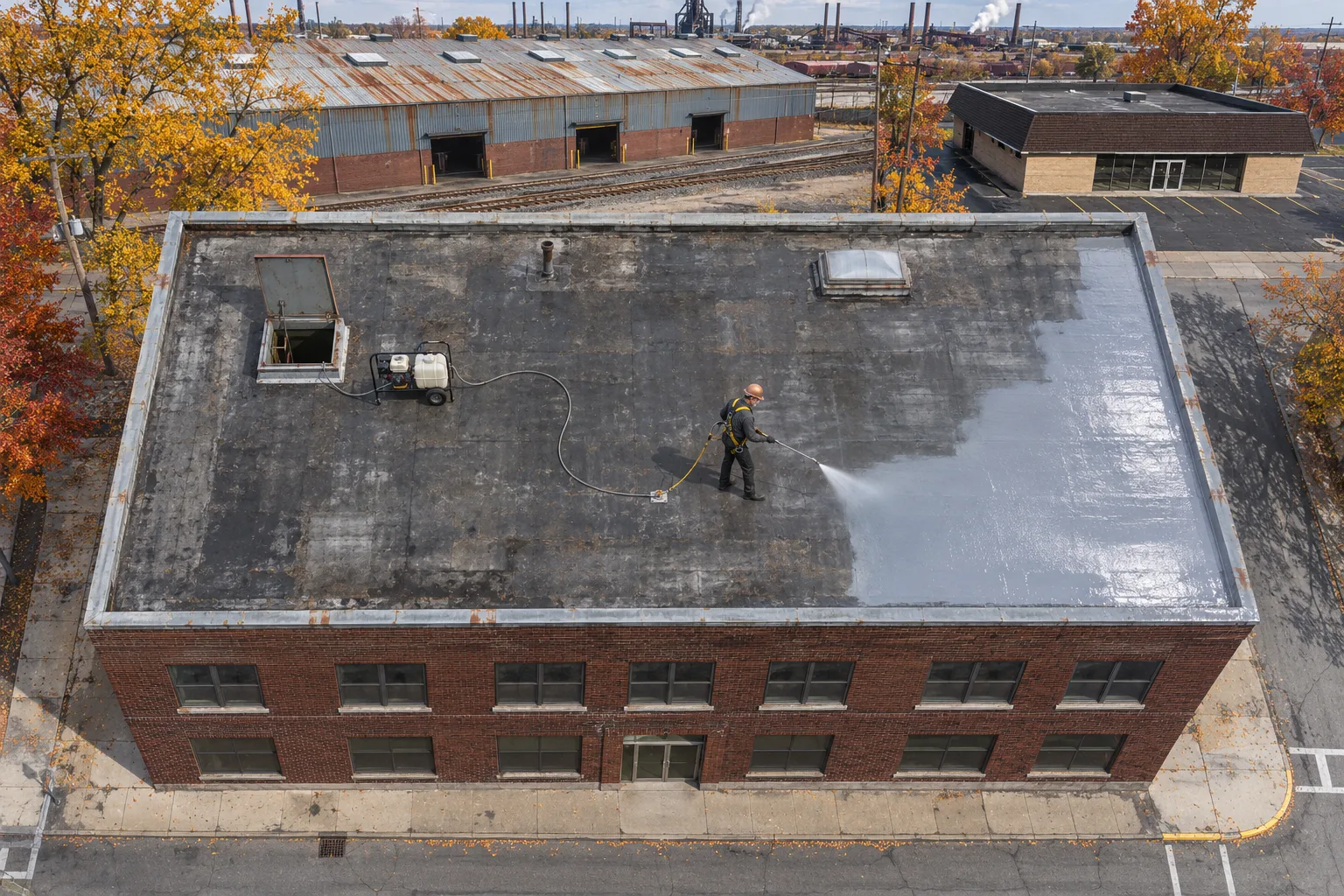
Hammond silicone roof coating fits flat and low-slope roofs where water sits. Check your roof against the rows below.
| What You See On The Roof | Silicone Fits | Repair, Then Silicone | Another System |
|---|---|---|---|
| Ponding near drains on a low-slope roof | Usually Fits | Rarely | Rarely |
| Old single-ply membrane still well attached | Usually Fits | Sometimes | Rarely |
| Metal roof with loose screws and open laps | Rarely | Usually Fits | Rarely |
| Wet insulation under the membrane | Rarely | Usually Fits | Sometimes |
| Steep panels that shed water fast | Sometimes | Rarely | Usually Fits |
| Roof already coated with silicone | Usually Fits | Rarely | Rarely |
Steep roofs that drain in minutes often get acrylic instead.
Silicone goes on roofs with drainage trouble, and these four conditions decide how the job is prepared.
Low spots near drains and along valleys hold water for days after rain. Silicone tolerates that standing water, but the drains themselves are still cleared and any sagging deck is repaired first.
Meltwater refreezes at drains and scuppers, so water backs up across the field. Clamping rings get checked and extra silicone goes around the low drains where water collects.
TPO, PVC, and EPDM membranes that are still attached can take silicone after cleaning and the right primer. Open seams and loose flashings are repaired before spraying.
Silicone can go down in cooler weather than acrylic, but never over frost, dew, or ice in the seams. Late-fall jobs run on dry afternoons within the data-sheet limits.
That is the roof silicone was made for. Call and describe where it pools, and we will check the drains and the deck under it.
Silicone needs a clean, dry, primed surface and enough thickness to stand up to water. Here is the order we follow.
We map every low spot, test drains, and take moisture readings across the membrane or panels. Wet insulation and failed seams are marked for repair before any silicone is ordered.
Drains, scuppers, and gutters are cleared, clamping rings tightened, and seams or screws repaired. Sagging areas over damaged deck are fixed so water stops collecting there.
A pressure wash removes dirt and chalk, and the roof is left to dry fully. Silicone applied over damp seams loses its bond, so drying time is built into the schedule.
Rusted metal gets a rust-inhibiting primer and some membranes need a bonding primer. A test patch is pulled after curing to confirm adhesion on this roof.
High-solids silicone is sprayed in passes to the mil thickness listed by the manufacturer, heavier in the ponding areas. Walkway pads go down around units that get regular service visits.
Silicone is one of five systems we apply. These four fit roofs that drain differently or need something more than a surface coat.
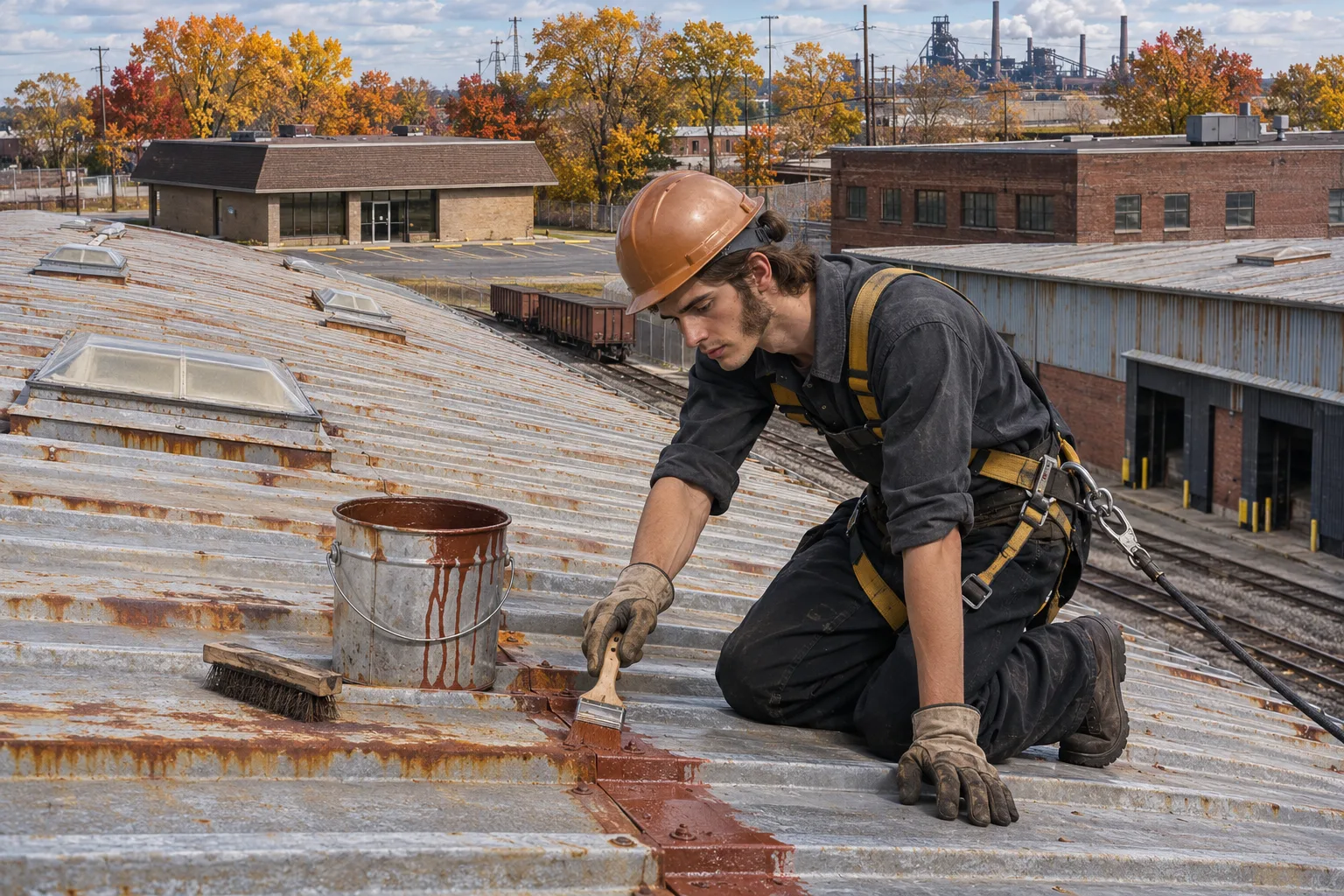
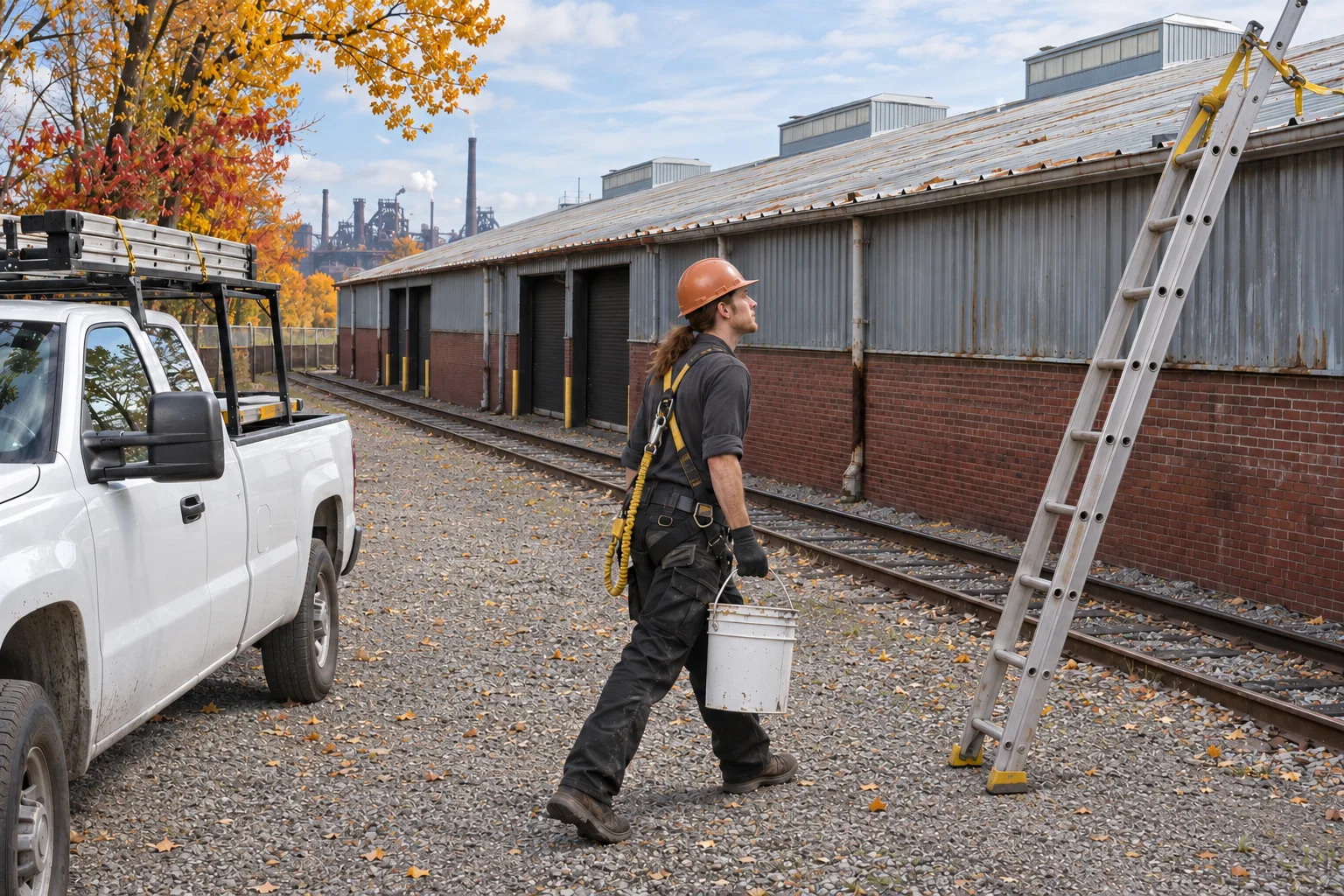
A steel roof that drains well and mostly needs screws and laps sealed often gets the full metal coating system in place of silicone.
Hammond commercial metal roof coating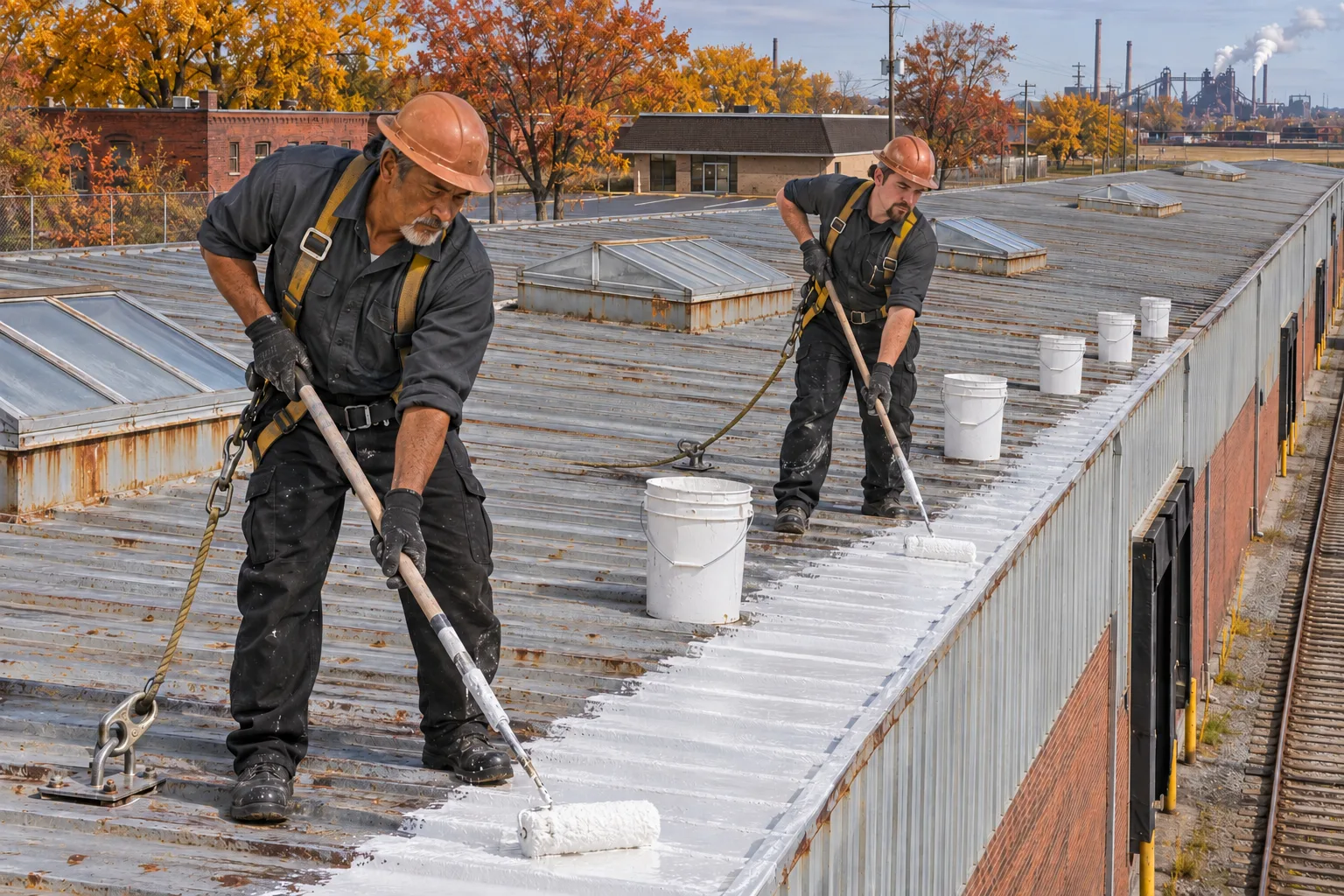
Pitched roofs that shed water in minutes suit acrylic, which recoats easily and costs less to top up later.
Hammond acrylic roof coating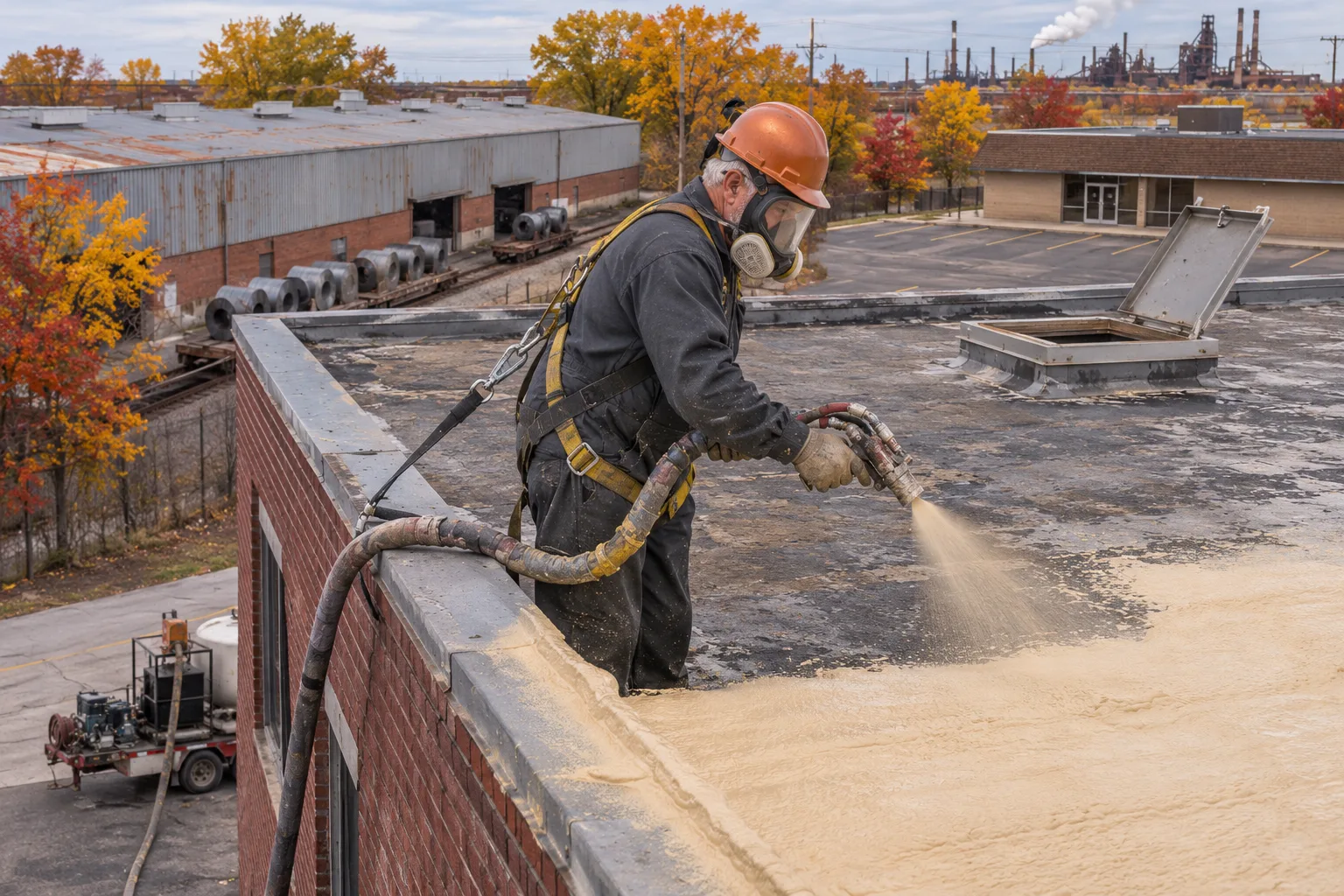
Spray foam can build up low areas and add insulation, then take a silicone topcoat that protects the foam.
Hammond spray foam roofing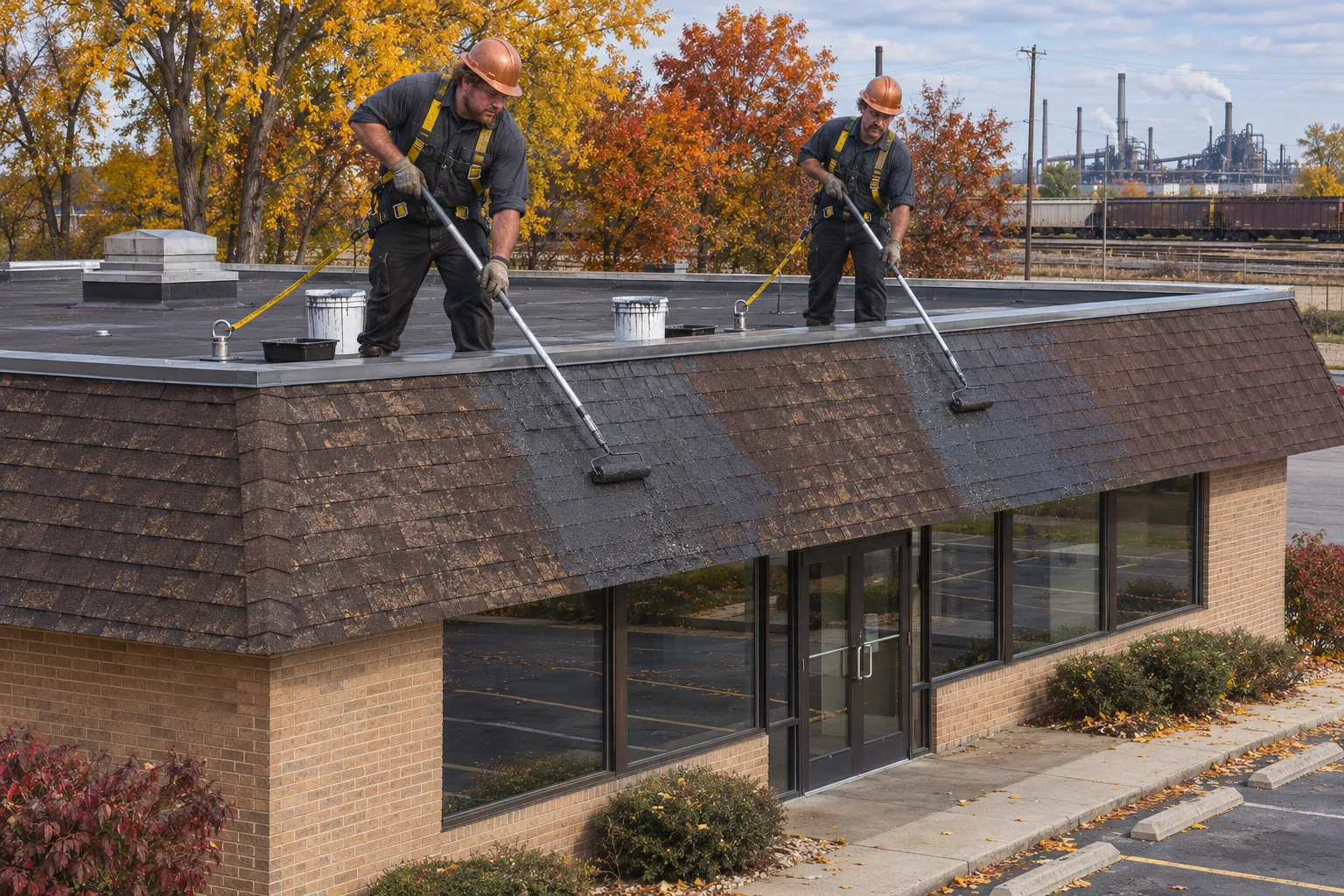
Sloped shingle sections on the same building get a coating made for asphalt rather than silicone.
Hammond shingle roof coatingWhy silicone makes sense on roofs where water sits, for each person the roof affects.
Answers about silicone on Hammond roofs that hold water.
Silicone falls inside the planning range of about $2.50 to $4.00 per square foot for coating, with replacement at about $5 to $8. Thickness, primer, the number of seams and screws to seal, and how much of the roof ponds decide where in that range a roof lands.
Dirt sticks to it and can dull the white surface, and it is slick when wet. Few other coatings bond to silicone, so the next recoat is silicone too. Heavy foot traffic scuffs it, which is why we add walkway pads around units.
Better than most coatings. Standing water does not break it down the way it softens acrylic, so silicone is the usual pick for low bays. Drains are still cleared and sagging deck repaired, because long ponding adds weight and collects grime.
Often, yes. It tolerates cooler air than water-based coatings, but the roof has to be dry and free of frost, dew, and ice. Fall work runs on dry afternoons, checked against the product's temperature limits.
Clear drains and tight clamping rings. Leaves and grit removed before winter, plus extra silicone around low drains, cut how often ice traps meltwater on the roof.
Yes, after a thorough cleaning. New silicone bonds well to old silicone that is still attached, so recoating is mostly washing, spot repairs, and a fresh pass at full thickness.
Tell us where the water sits and how long it stays. We will inspect the drains and deck and price a silicone system for that roof.